Upgrade Your Outdoor Area: Expert Garden Design Tips for a Gorgeous Home Landscape
Transforming an outdoor space into a stunning home garden involves careful planning and thoughtful execution. By assessing the distinct features of a yard, individuals can set clear garden objectives. Choosing vegetation appropriate for the regional weather is essential. Additionally, adding practical hardscape features enhances both beauty and functionality. However, the journey doesn't end there. Learning how to maintain beauty and ecological balance can enhance any garden to the greater heights. What strategies will result in lasting success?
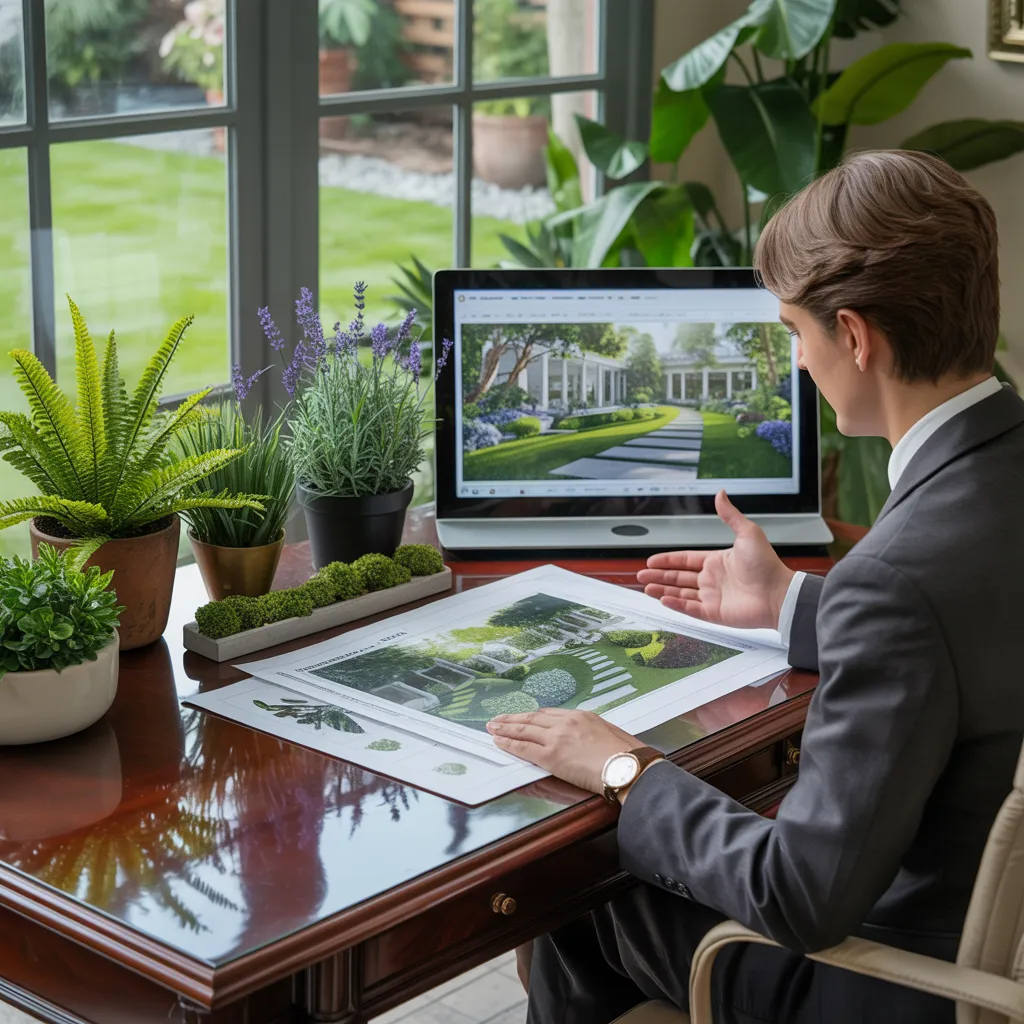
Examine Your Property to Determine Your Landscaping Objectives
Before launching any landscaping effort, it is important for homeowners to carefully evaluate their exterior space. This initial evaluation enables them to comprehend the unique characteristics of their yard, including light conditions, soil composition, and existing vegetation. Pinpointing these factors aids in determining which landscape and design features can be effectively integrated into the location.
Homeowners should take measurements and note any obstacles including vegetation, barriers, or pathways that could influence the layout. Moreover, understanding individual tastes and living requirements—such as areas for entertainment, gardening, or relaxation—can direct the garden objectives. By clearly defining these objectives, homeowners establish a solid foundation for a unified and practical outdoor environment. This careful evaluation ultimately leads to a more successful and satisfying landscaping project, ensuring that the outdoor space not just enhances the property's appearance but additionally satisfies the practical needs of its residents.
Select the Best Plants for Your Local Climate
Choosing the ideal vegetation for a particular region is vital for creating a flourishing exterior environment. Understanding regional climate conditions, such as temperature ranges, rainfall, and humidity, enables property owners select vegetation that will thrive. Native plants typically adjust best, needing minimal maintenance and water. For instance, water-efficient plants are perfect for arid regions, while water-preferring plants flourish in humid climates.
Gardeners should also consider seasonal changes; selecting vegetation that offers continuous appeal enhances the landscape. relevant article Spring-flowering plants, summer perennials, and vibrant fall foliage can produce a striking visual display. Moreover, speaking with regional nurseries or horticultural resources can provide valuable insights into hardy plant varieties adapted for specific conditions.
Finally, a well-planned plant selection improves not only beauty but also supports local wildlife and advances ecological health, which makes it a smart decision for every outdoor space transformation.
Elevate Your Garden Through Functional Hardscaping Additions
Functional hardscaping elements act as vital components in shaping exterior areas and maximizing their practicality. By incorporating seating areas and professionally planned walkways, homeowners can create inviting environments that encourage relaxation and movement. Additionally, edging can establish different zones within the garden, contributing organization and visual interest.
Establish Your Garden Setting
Creating a thoughtfully laid out outdoor space can reimagine a yard into a welcoming retreat. One proven approach to achieve this is through functional hardscaping elements, which create organization and visual order. Pathways made from stone or masonry guide guests while adding visual interest. Support walls can form layered heights, improving the landscape's appearance and preventing soil loss. Fencing or trellises can delineate borders, providing privacy and a sense of enclosure. Adding elevated planting areas not only establishes growing zones but also improves accessibility. These elements operate in harmony to establish separate areas that enhance both aesthetics and functionality. Ultimately, a well-defined outdoor space creates a peaceful setting where homeowners can relax and enjoy nature.
Incorporate Seating Areas
Incorporating sitting zones into an outdoor space greatly enhances its usability and appeal. By incorporating practical hardscape features, homeowners can create inviting spots for rest, gathering, or appreciating the outdoors. Options include benches, patio sets, or hammocks, each contributing to the garden's aesthetic and comfort. Strategically placing seating near focal points, such as flower beds or water features, inspires visitors to interact with their surroundings. Additionally, using materials like stone or wood can match the landscape's aesthetic, creating design harmony. Shade structures, such as garden structures or sun shields, deliver relief during summer seasons, enabling these spaces to function year-round. Ultimately, thoughtfully created sitting zones transform an ordinary garden into a welcoming retreat for relatives and guests.
Design Pathways And Edges
Borders and pathways function as vital aspects in landscape architecture, moving visitors through the garden while improving its structural excellence. They promote order and circulation, enabling the differentiation of distinct spaces and planting types. Brick, stone, or gravel options can build permanent passages, while borders derived from ornamental fencing or shrubs enrich visual attractiveness. Pathways can prompt exploration, drawing focus to features like planted zones or aquatic elements. Well-maintained borders reduce invasive plants and ground loss, supporting garden health. When combined, pathways and borders improve practicality while increasing aesthetic refinement of your landscape, rendering locations more inviting and delightful.
Design Movement Through Pathways and Seating Zones
A thoughtfully designed exterior area regularly showcases a cohesive circulation created through strategically arranged pathways and rest areas. Pathways lead people throughout the garden, developing a strong sense of navigation while improving the aesthetic appeal. Applying selections including gravel, stone, or wood can improve the path's beauty and support durability.
Rest zones offer resting spots, encouraging visitors to stop and enjoy the environment. Placing seating deliberately near highlights, like a water feature or a planted area, promotes engagement with the outdoor setting. Your seating selection—chairs, benches, or even swings—will affect the mood, whether formal or relaxed.
Blending pathways and seating zones creates an appealing atmosphere, improving practicality and satisfaction. Used together, they form a fluid movement across multiple regions of the garden, inspiring wandering and peace, finally converting any outdoor location into a serene hideaway.
Infuse Your Garden With Seasonal Color and Texture
To boost the decorative value of a garden, strategic selection of seasonal species is vital. Mixing contrasting surface qualities can establish dimension and appeal, while intentionally positioned centers of interest can grab focus and establish a harmonious arrangement. These components in combination promise a vibrant and active outdoor area across the year.
Decide on Seasonal Plants Wisely
Choosing seasonal plants with care can transform any garden into a vibrant tapestry of color and texture. By picking plants that bloom at different times throughout the year, gardeners can guarantee a continuous display of beauty. Spring-flowering specimens, summer color providers, fall-flowering perennials, and winter evergreens each deliver unique color palettes and structures to the landscape. It is vital to remember local environmental conditions and ground composition, as well as the plants' growth patterns. Native plant varieties often succeed with less maintenance effort, enhancing biodiversity. Additionally, pairing plants with different heights and seasonal blooms can create a dynamic visual effect. Ultimately, thoughtful selection fosters a landscape that evolves seasonally, offering a delightful experience year-round.
Create Layered Textures For Visual Depth
Building garden depth requires layering textures that complement and enhance seasonal color. By integrating diverse plant species with different leaf patterns, heights, and color schemes, one can achieve a visually dynamic landscape. For instance, blending large-leaved plants with soft grasses can generate visual contrast and fascination. Additionally, integrating bark, stones, and other natural materials brings in tactile elements that enrich the overall experience. Flowering displays should be thoughtfully placed to provide bursts of color throughout the year, ensuring that each layer remains visually interesting. This thoughtful arrangement not only draws the eye across the garden but also fosters an immersive atmosphere where each element reinforces the garden's beauty and equilibrium.
Position Visual Anchors Carefully
Intentionally placing visual centerpieces can markedly enhance a garden's aesthetic quality and seasonal richness. These focal center elements serve as anchors that draw the eye and create a cohesive design. Gardeners can utilize additions like sculptures, ornamental specimens, or radiant planting beds to establish visual engagement. Seasonal blooms can be infused via the careful selection of plants that bloom at different times, keeping the garden animated year-round. Textures also hold importance; blending flat stone surfaces with uneven bark or thick plant life establishes depth. By deliberately arranging these pieces, a gardener can build a friendly environment that sparks discovery and gratification, reshaping outdoor grounds into a fascinating hideaway.
Implement Responsible Practices to Foster a Healthy Garden
Embracing sustainable approaches is important for fostering a healthy garden that succeeds in balance with the environment. Growing enthusiasts are recommended to use indigenous flora, which require minimal liquid and care while supporting area creatures. Using sustainable cultivation practices, such as composting and chemical-free pest management, can greatly minimize chemical applications, creating a improved ecosystem
Water conservation methods, such as drip irrigation and rain capture, boost green practices by improving resource use. Mulching not just retains soil water but also reduces unwanted plants, decreasing the requirement for herbicides. Furthermore, supporting plant variety by incorporating a variety of plants encourages resilience against pest infestations along with diseases.
Healthy soil is important; methods such as rotating crops and cover crops maintain nutrient levels excluding the need for artificial nutrients. By implementing such green methods, plant growers can build an excellent garden that nurtures both plants and the environment, resulting in a greater growing experience.
Address Common Problems to Keep Year-Round Garden Appeal
A well-maintained landscaped area can confront many problems year-round, impacting its general aesthetics along with health. Common issues involve pest issues, nutrient shortages, along with insufficient water. Identifying pests early is important; plant growers should routinely examine foliage for signs of damage as well as treat pest problems applying organic pesticides or else bringing in helpful insects.
Nutrient deficiencies typically manifest as leaf yellowing as well as reduced growth. Running soil examinations can help determine individual necessities, making possible for strategic fertilization to return stability. Moreover, ensuring appropriate watering is crucial; overwatering can result in root decay, while too little water pressures plants.
Seasonal shifts furthermore call for modifications in upkeep. In winter, using mulch safeguards plant roots from ice, whereas the summer season might call for additional water and shade for fragile plants. By tackling these standard difficulties promptly
Is it Better to Execute Outdoor Work Myself or Employ a Specialist?
Certainly, you can handle landscaping projects independently, using web-based guides and innovation. Nonetheless, hiring a professional provides skill, effectiveness, and improved output, notably for advanced designs or substantial jobs requiring professional expertise.
What Implements Are Necessary for Residential Landscaping?
Important implements for yard landscaping contain a rake, spade, garden spade, trimming shears, cultivator, and a irrigation hose or watering can. These items assist efficiently care for dirt, garden plants, and general garden upkeep, ensuring quality landscaping
What's the Proper Approach to Preserve My Landscape Throughout the Year?
To keep a yard vibrant throughout the year, consistently trim greenery, spread protective mulch for insulation, monitor soil moisture, and apply seasonal planting strategies. Additionally, pest control and nutrient application are essential for lush, healthy development.